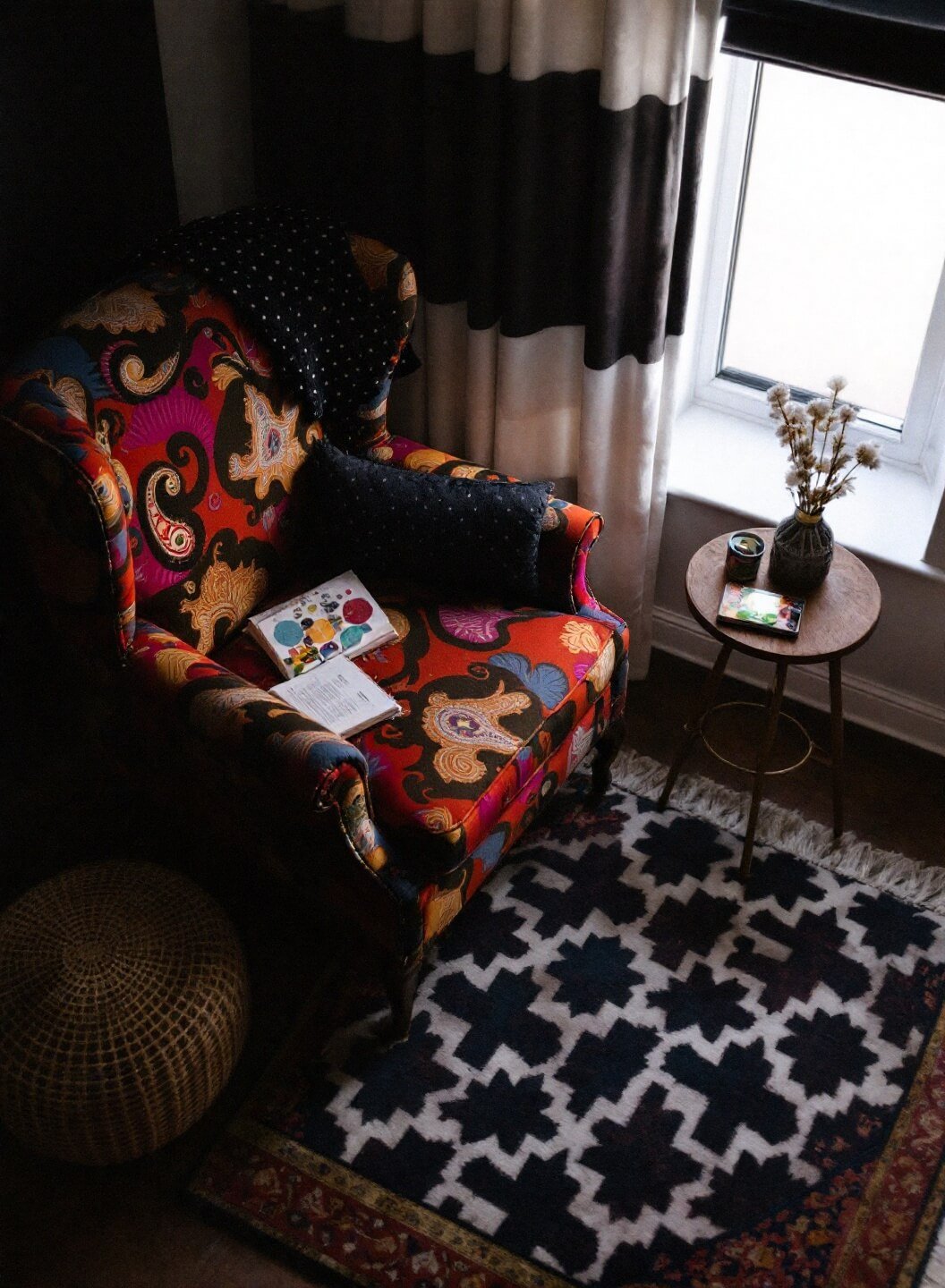
Pattern Mixing Magic: A Foolproof Guide to Styling Small Spaces
Let me share something that changed my design game forever – mixing patterns in small spaces isn’t just for the pros anymore!
I’ve spent years experimenting with patterns in tight quarters, and I’m here to spill all my secrets.
The Small Space Pattern Challenge
Listen, I get it – you’re staring at your tiny apartment thinking, “How do I make this space pop without making it look like a circus?”
We’ve all been there, and I’ve got your back.
Master Pattern Mixing: The Fundamentals
First things first – let’s talk about the holy grail of pattern mixing: the 60-30-10 rule.
- 60% goes to your main pattern (think largest furniture piece)
- 30% to your secondary pattern
- 10% to that punch-you-in-the-face accent pattern
Scale is Your Best Friend
Here’s the deal:
- Large patterns = statement pieces
- Medium patterns = supporting actors
- Small patterns = your backup dancers
Pro tip: Never use the same scale twice – it’s like wearing two different plaids (trust me, I learned this the hard way).
The Color Connection
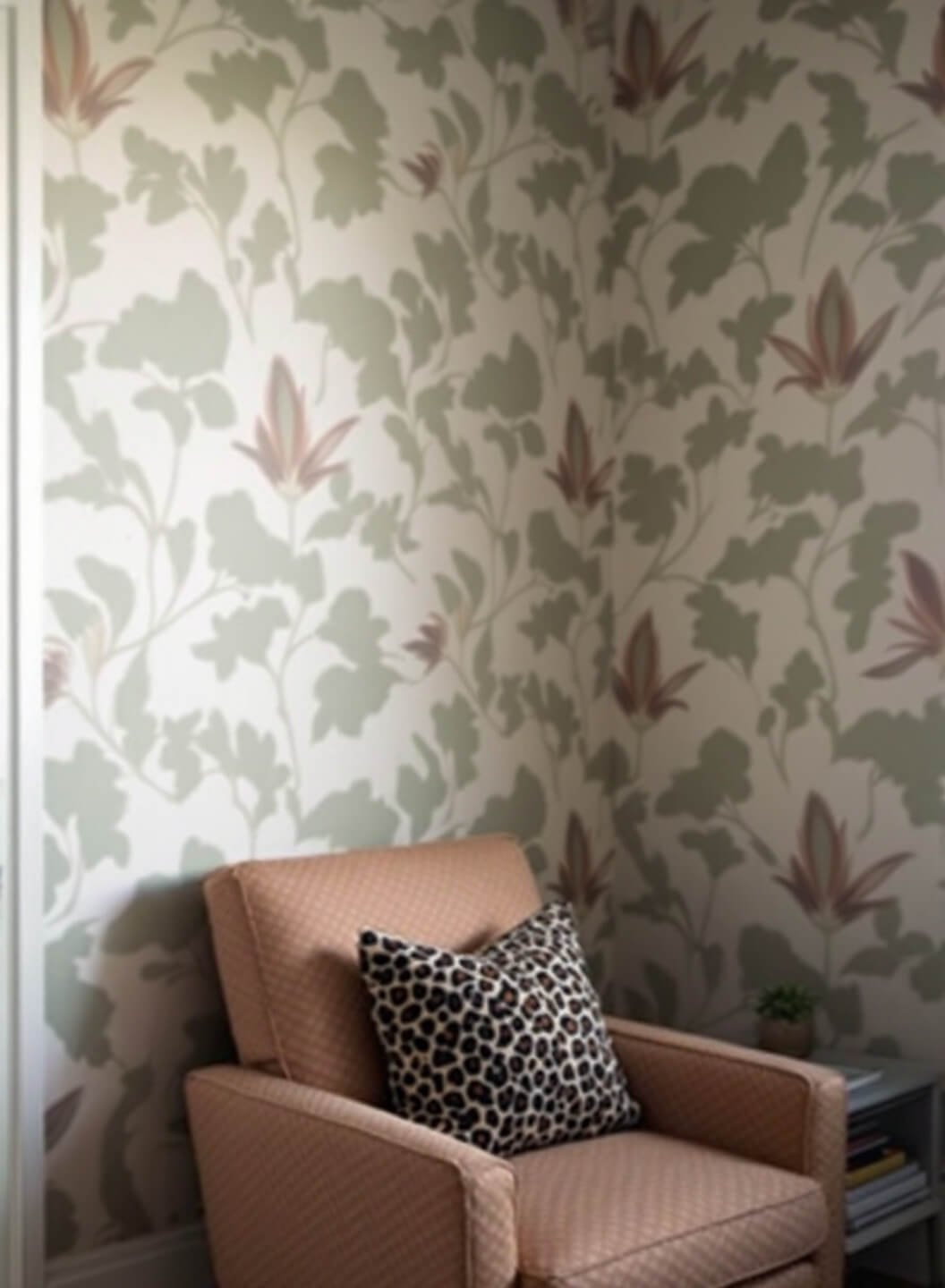
Pick a color that appears in all your patterns – this is your secret weapon.
Think of it like cooking – you need a base flavor that ties everything together.
My Go-To Pattern Combinations:
- Florals + Stripes
- Geometric + Animal print
- Dots + Abstract patterns

The Neutral Safety Net
Always, and I mean ALWAYS, include some solid neutral pieces.
They’re like the palate cleansers between courses – giving your eyes a place to rest.
Texture Talk
Mix up your textures to add depth:
- Velvet with linen
- Silk with wool
- Cotton with leather
Real Talk: Common Mistakes to Avoid
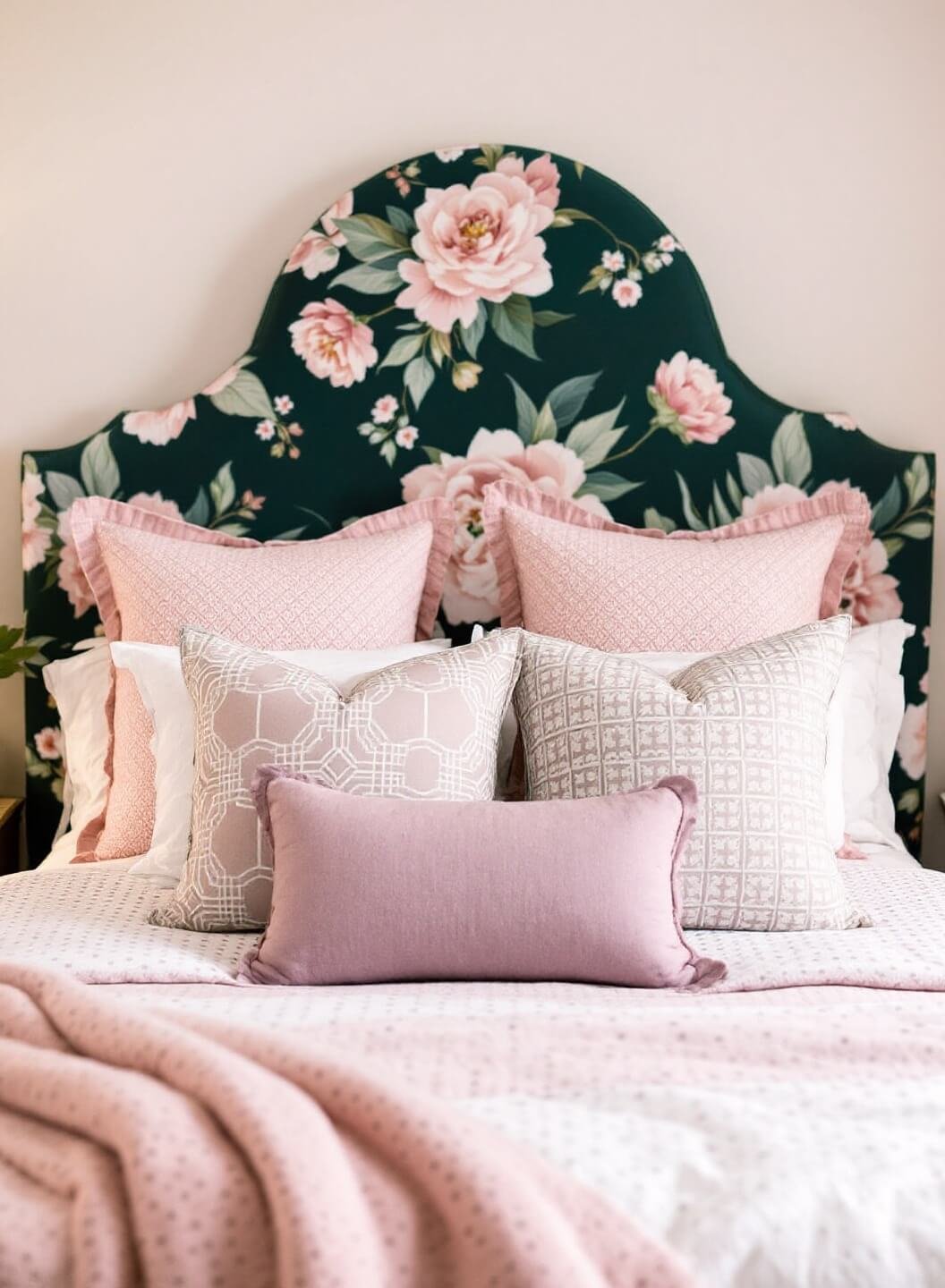
- Overdoing it (less is more)
- Matching everything perfectly (boring!)
- Forgetting about scale
- Skipping neutral breaks
Small Space Success Stories
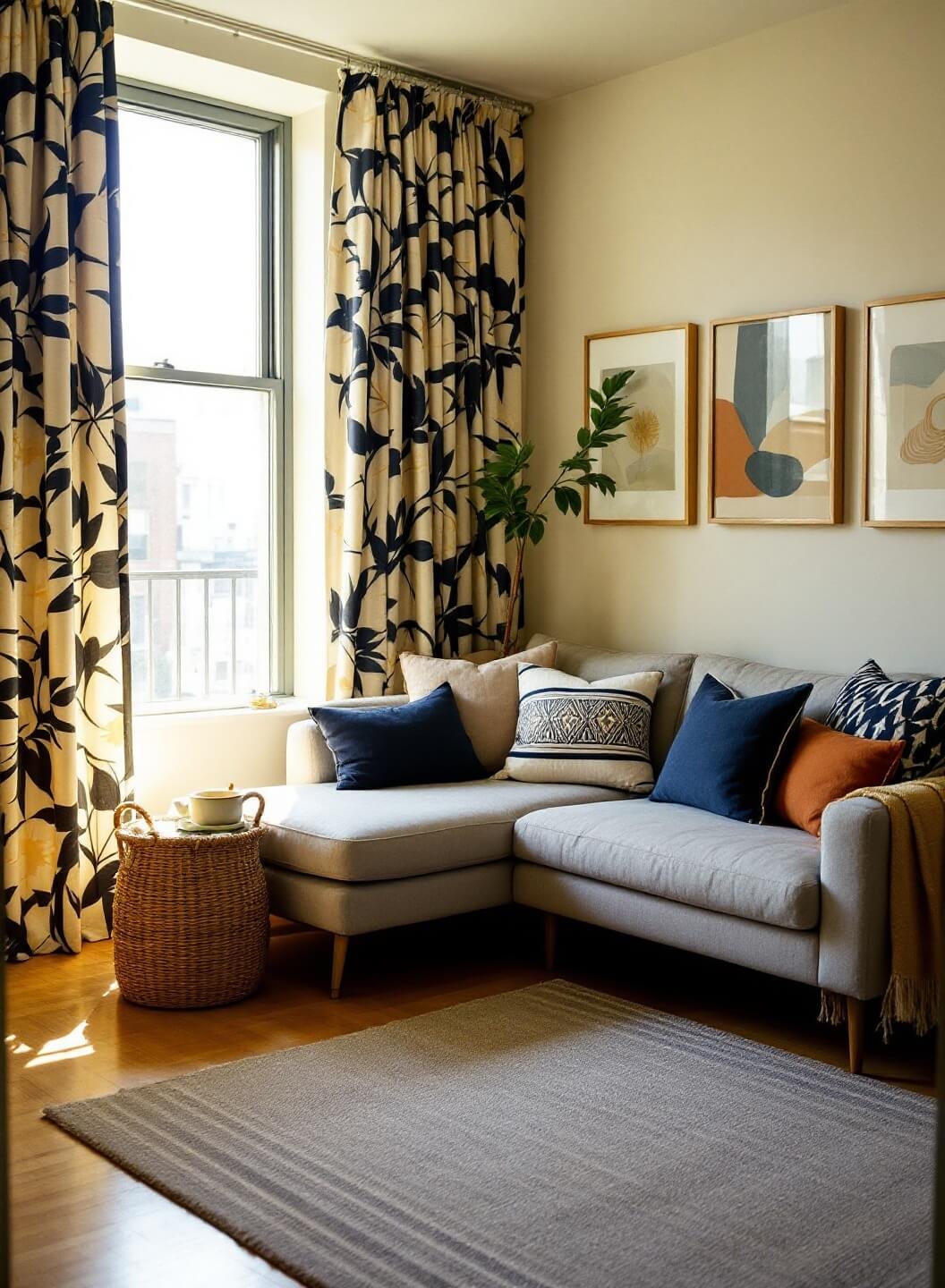
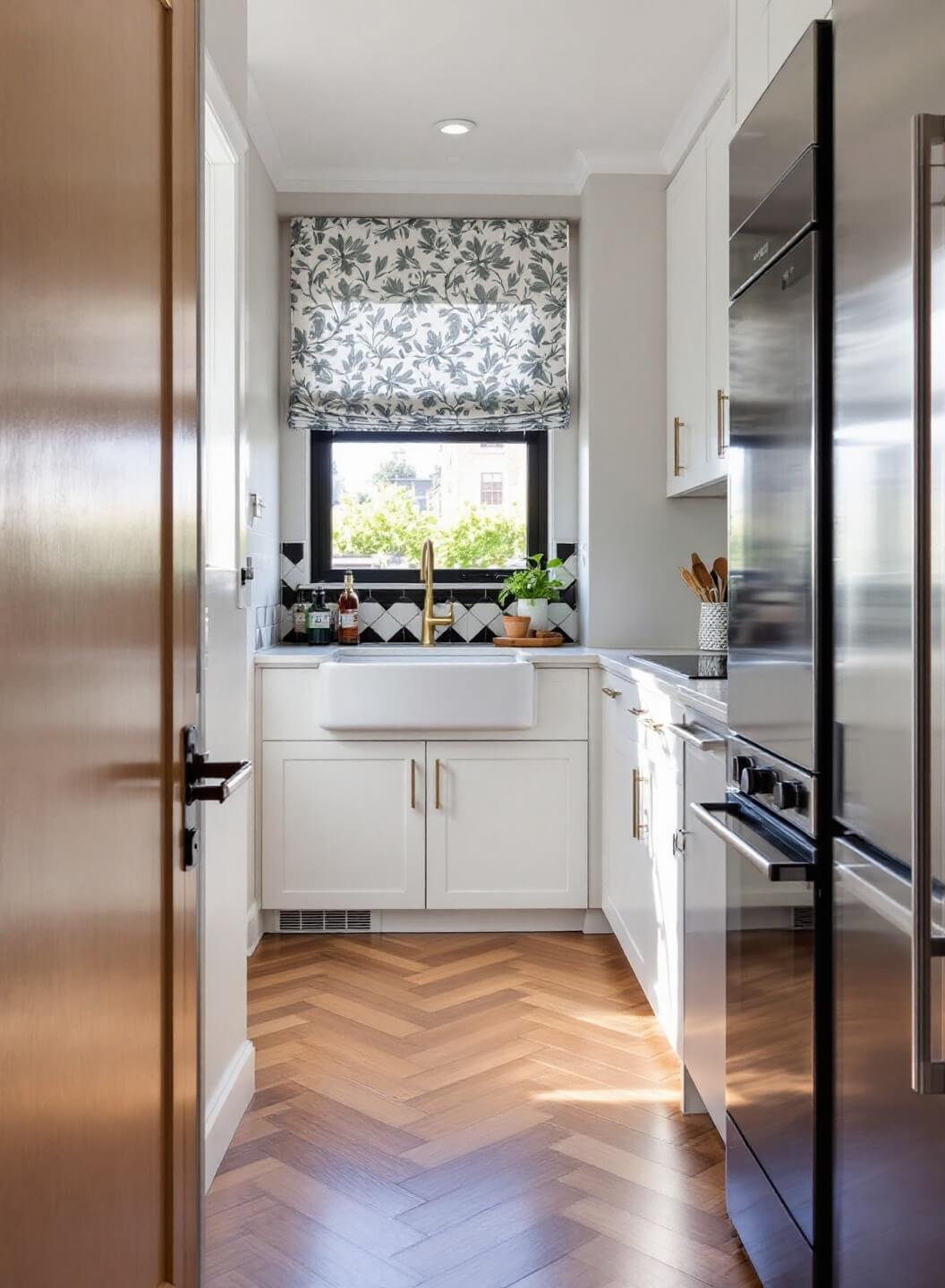
In my own 500-square-foot apartment, I mixed:
- A bold floral curtain
- Geometric throw pillows
- A subtle striped rug
The result? A space that feels both cohesive and exciting.
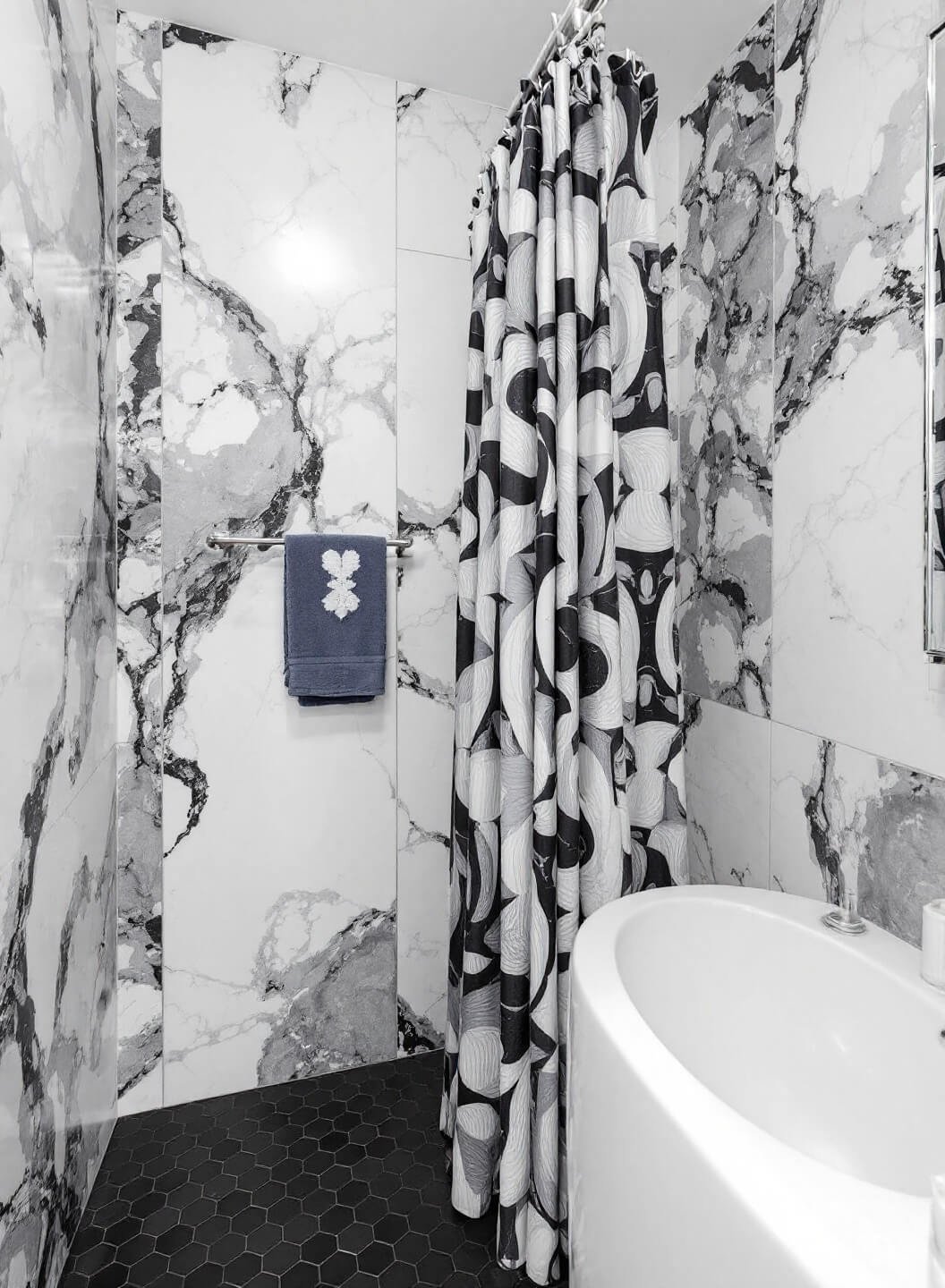
Remember:
Small spaces are perfect for experimenting because there’s less room to make mistakes!
Keep it simple, trust your gut, and don’t be afraid to break these rules once you’ve mastered them.