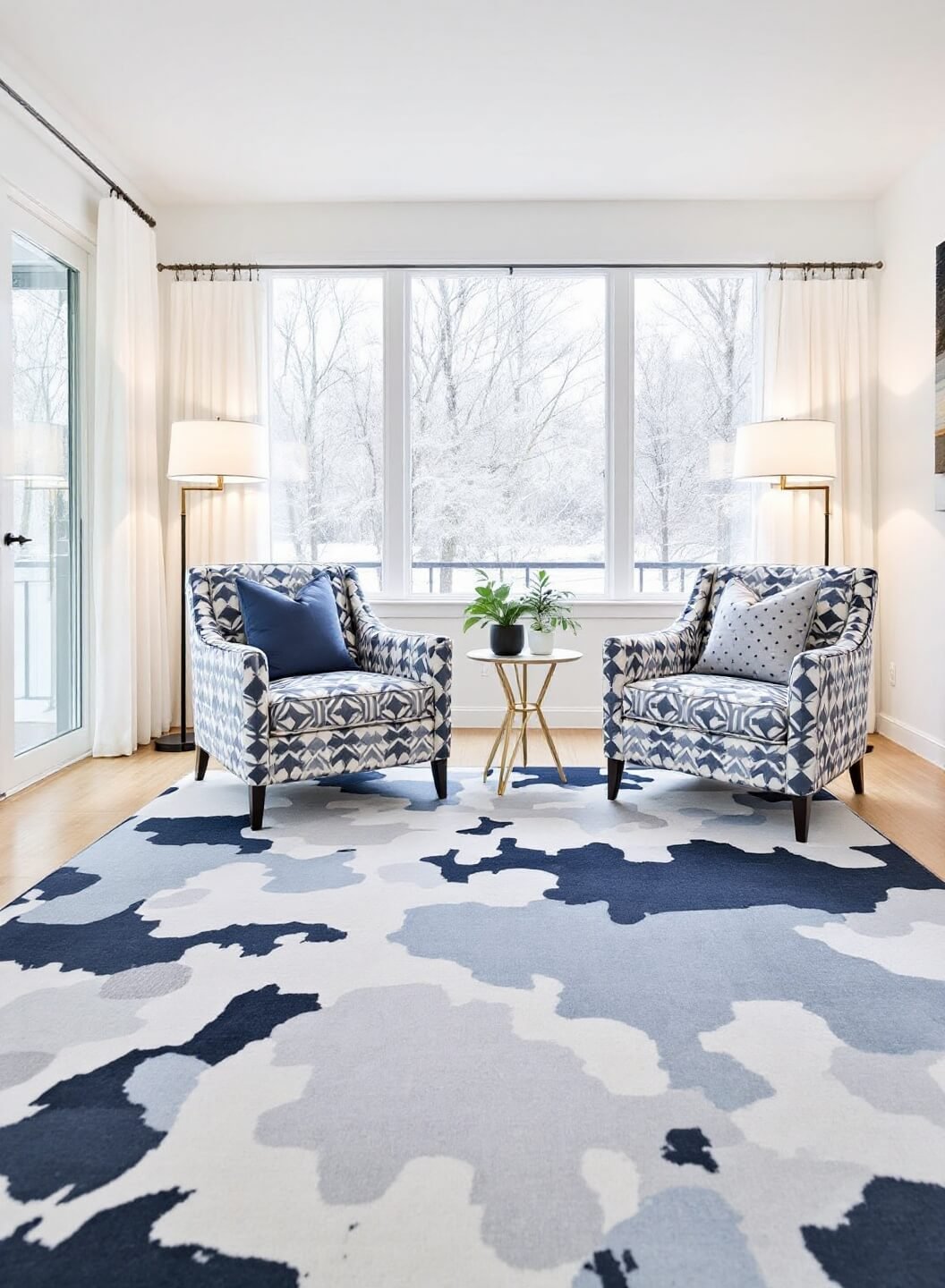
Mix and Match Like a Pro: The Ultimate Guide to Pattern Play in Home Decor
Ever walked into a room and wondered why some spaces feel perfectly put together while others seem chaotic? I’ve been there, and let me tell you – it’s all about mastering the art of pattern mixing.
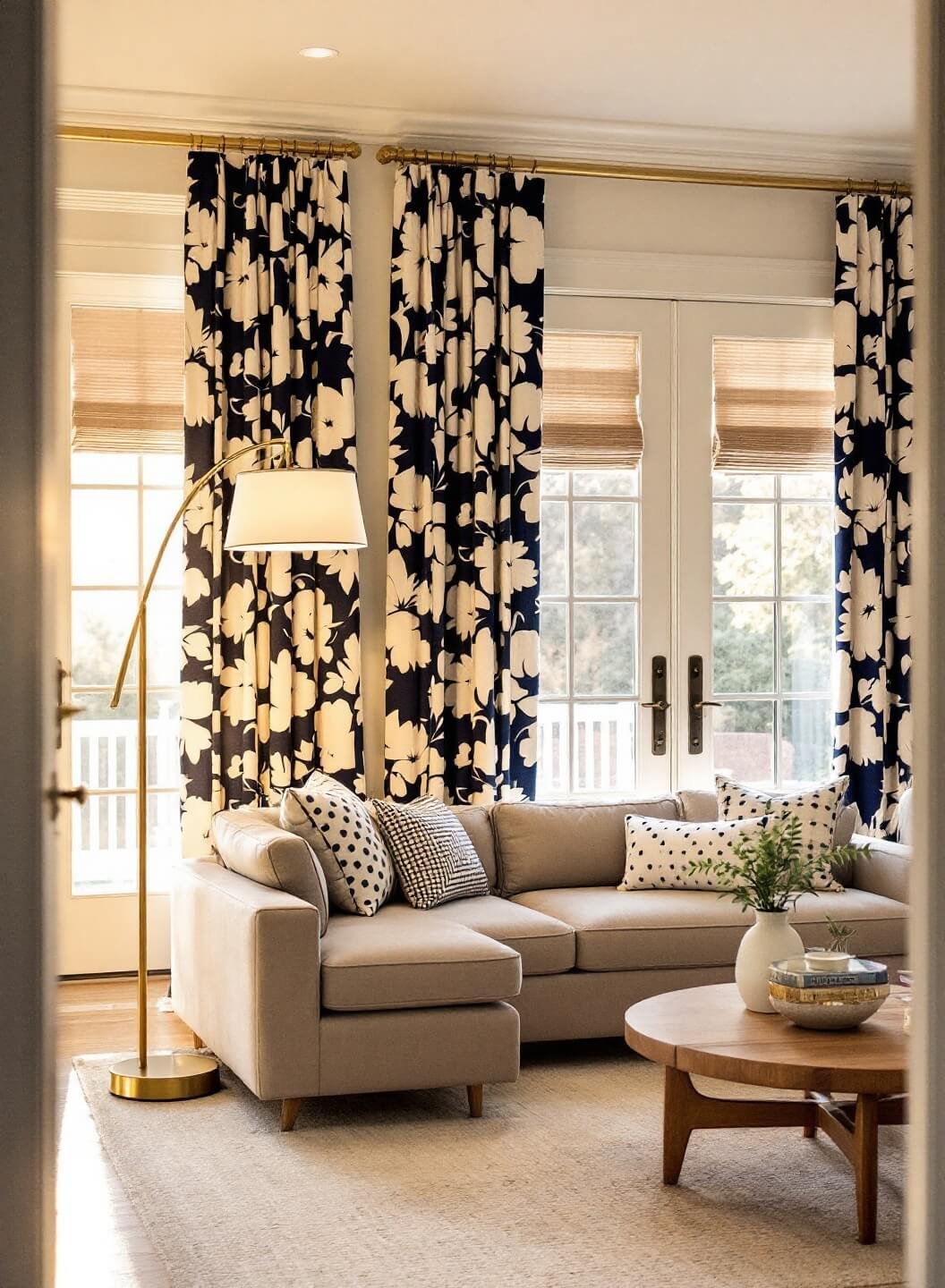
The Secret Sauce of Pattern Mixing
Listen up, because this is where most people go wrong. Pattern mixing isn’t about throwing random designs together and hoping for the best. Here’s what really matters:
The Rule of Three Scales
- Large patterns (12+ inches): Think bold florals or oversized geometrics
- Medium patterns (6-12 inches): Your everyday stripes or mid-sized checks
- Small patterns (under 6 inches): Tiny dots, delicate prints, or subtle textures
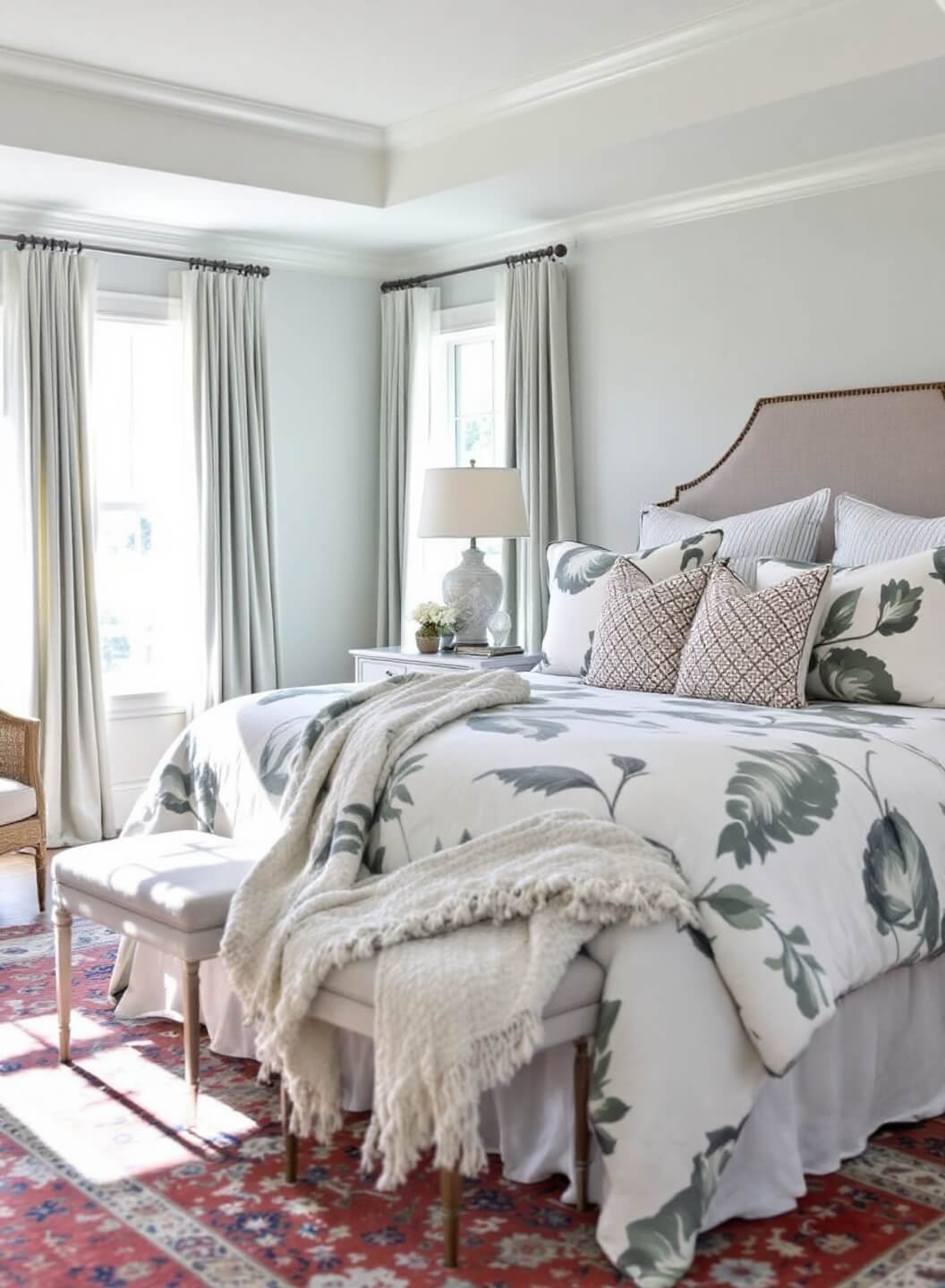
My Golden Rules for Foolproof Pattern Play
1. Start With Your Star Player
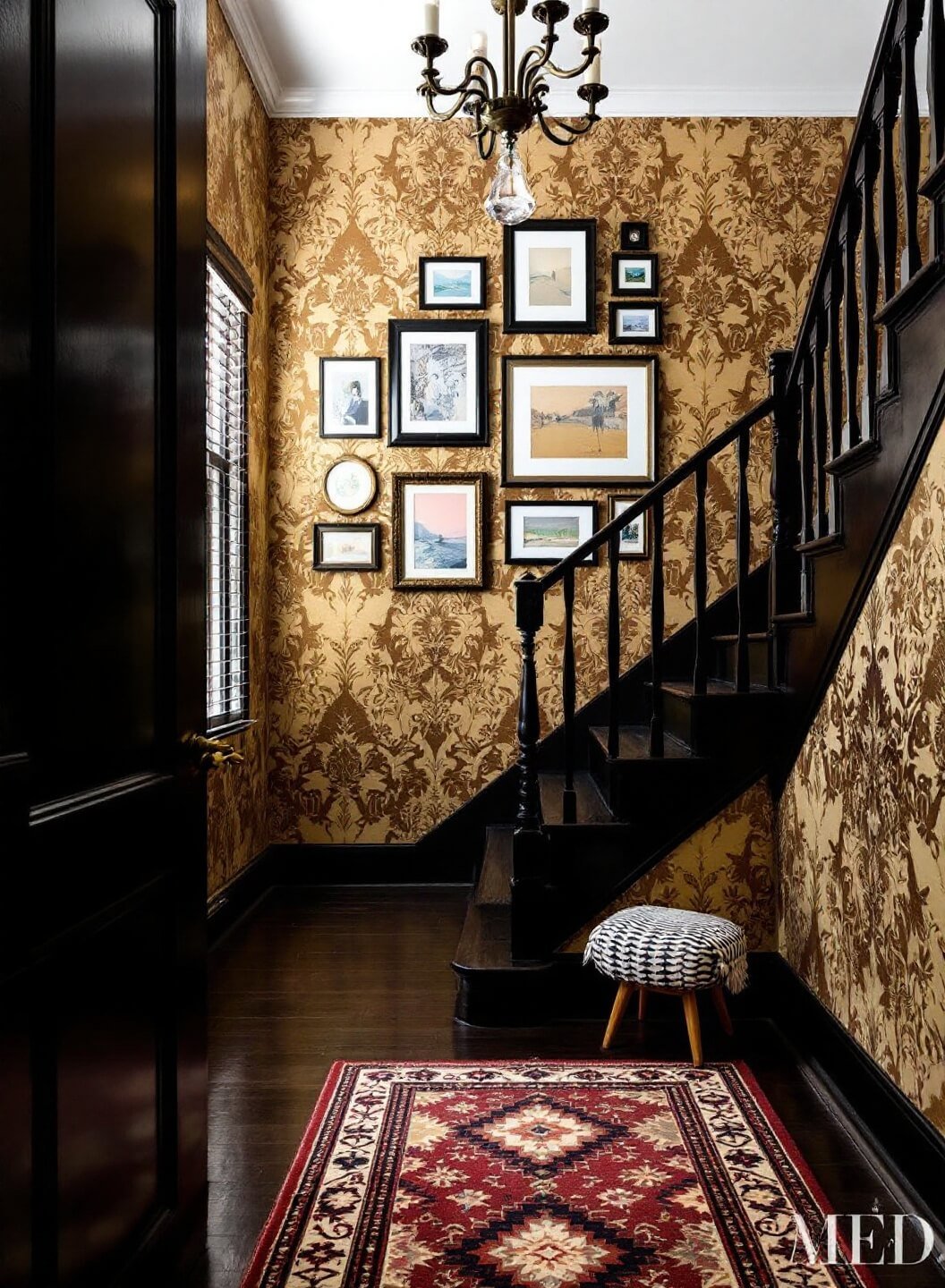
Pick one show-stopping pattern that makes your heart sing. This is your anchor piece – maybe it’s that gorgeous floral wallpaper you’ve been eyeing.
2. Balance is Everything
Think of it like cooking – too much of anything ruins the dish. Here’s my tried-and-true formula:
- 60% dominant pattern
- 30% secondary pattern
- 10% accent pattern
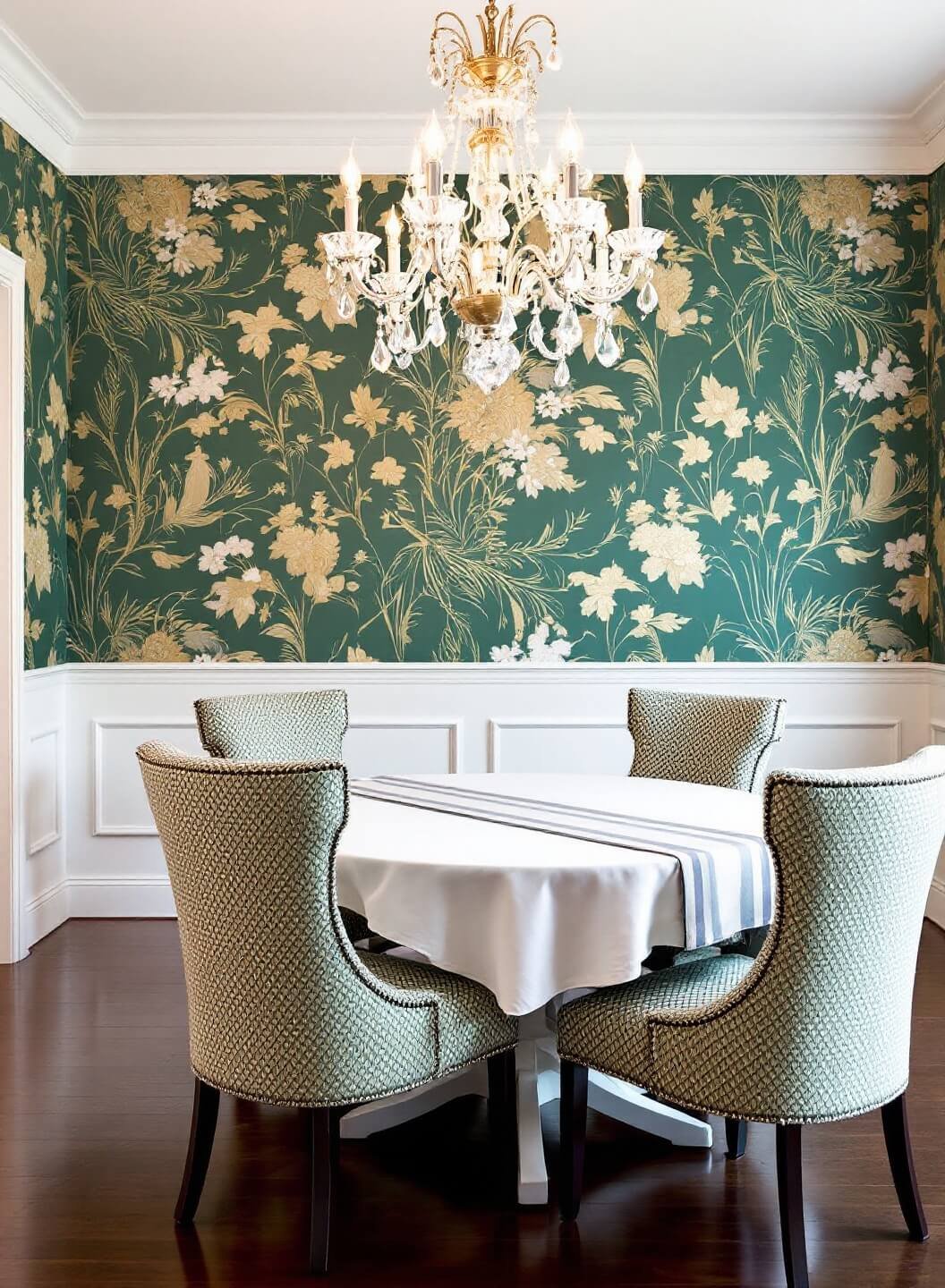
Real Talk: Common Pattern Mixing Mistakes
I’ve seen these blunders more times than I can count:
- Using patterns of the same size (instant headache!)
- Overcrowding the space with too many bold patterns
- Playing it too safe with matching patterns
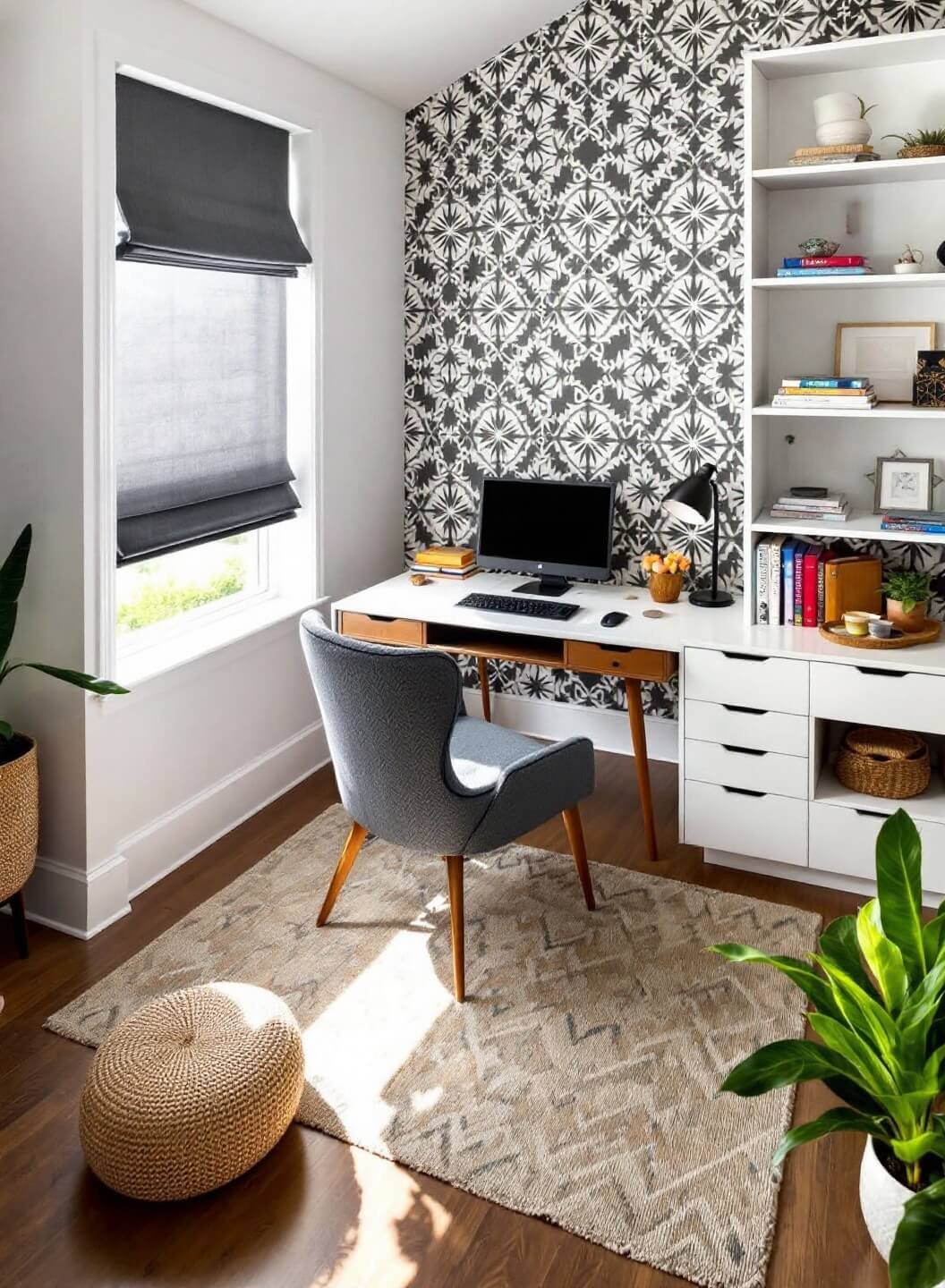
Pro Tips That Actually Work
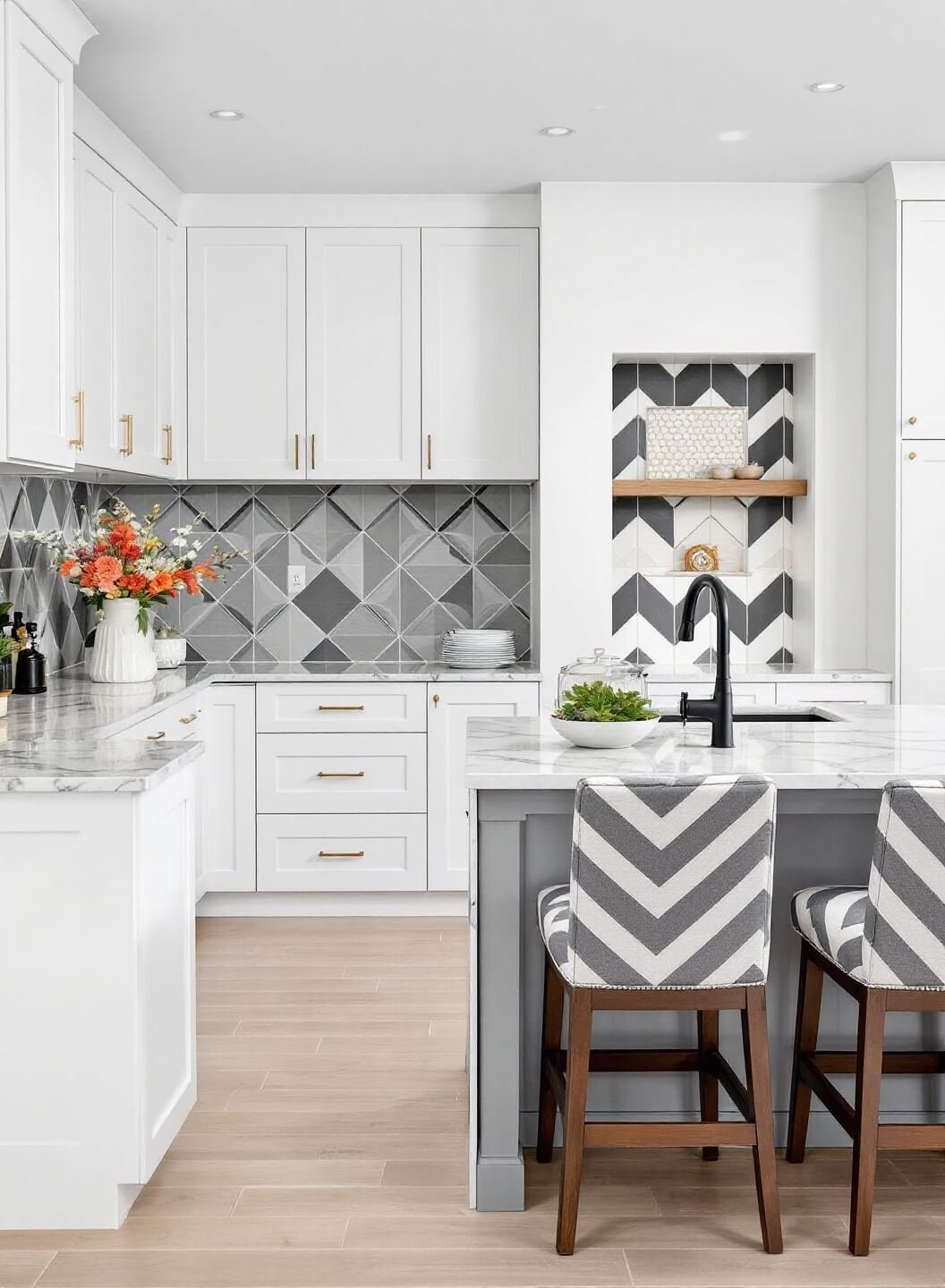
- Mix organic patterns (florals, botanical) with geometric ones
- Keep your color palette consistent
- Add solid colors as visual breathers
- Trust your gut – if it feels off, it probably is
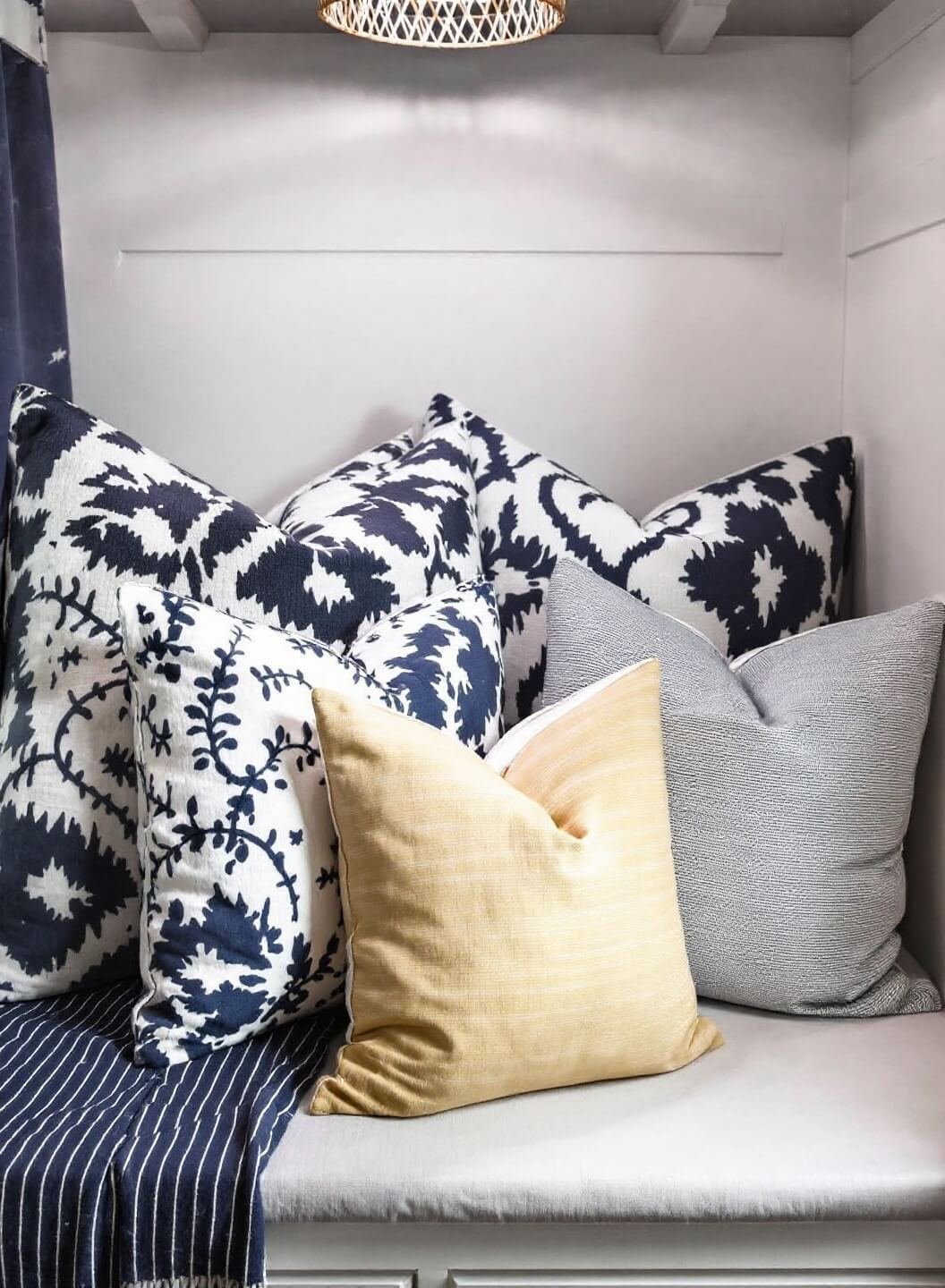
Pattern Mixing by Room
Living Room:
- Large: Statement curtains
- Medium: Throw pillows
- Small: Accent pieces
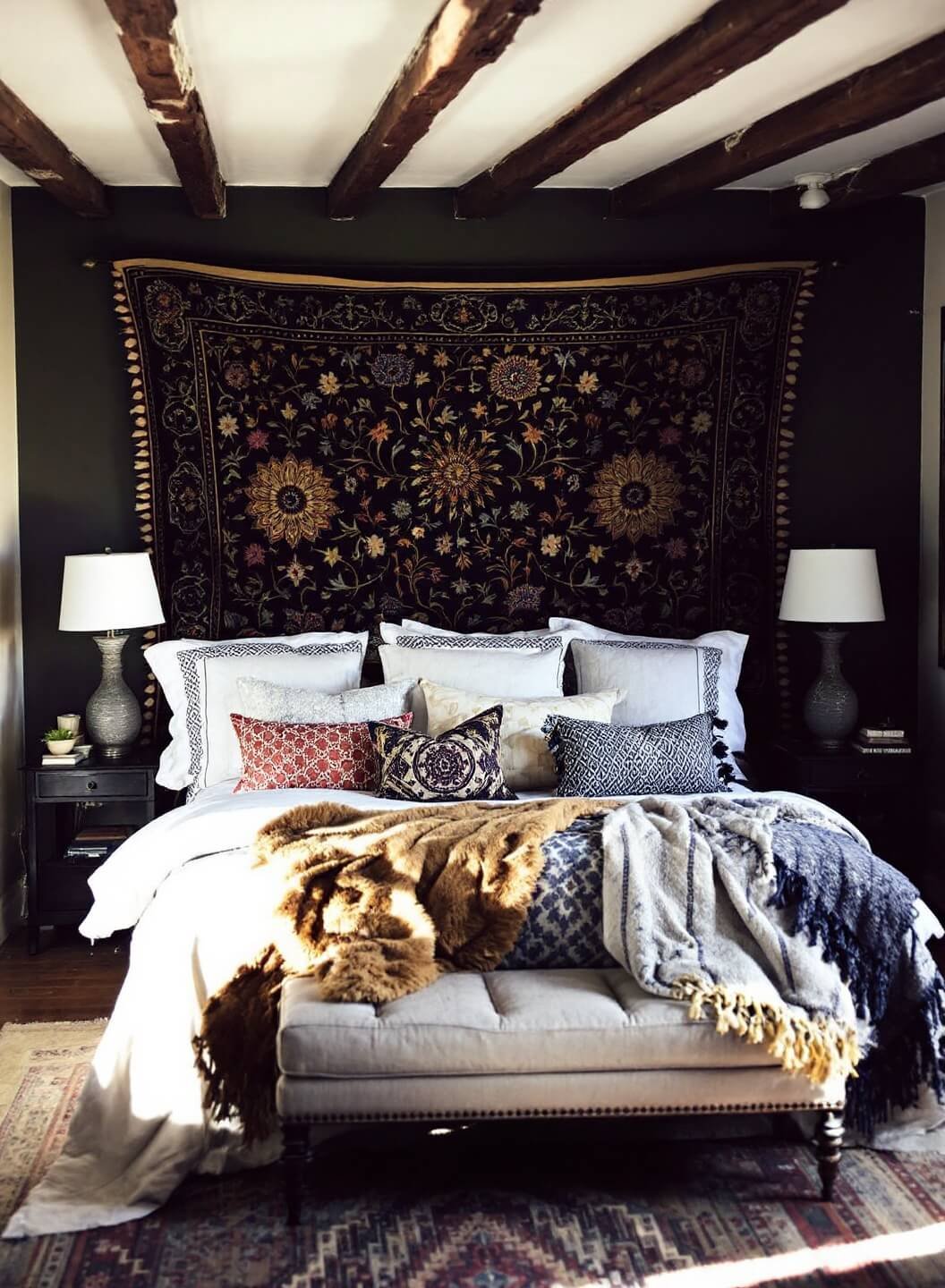
Bedroom:
- Large: Bedding
- Medium: Area rug
- Small: Decorative cushions
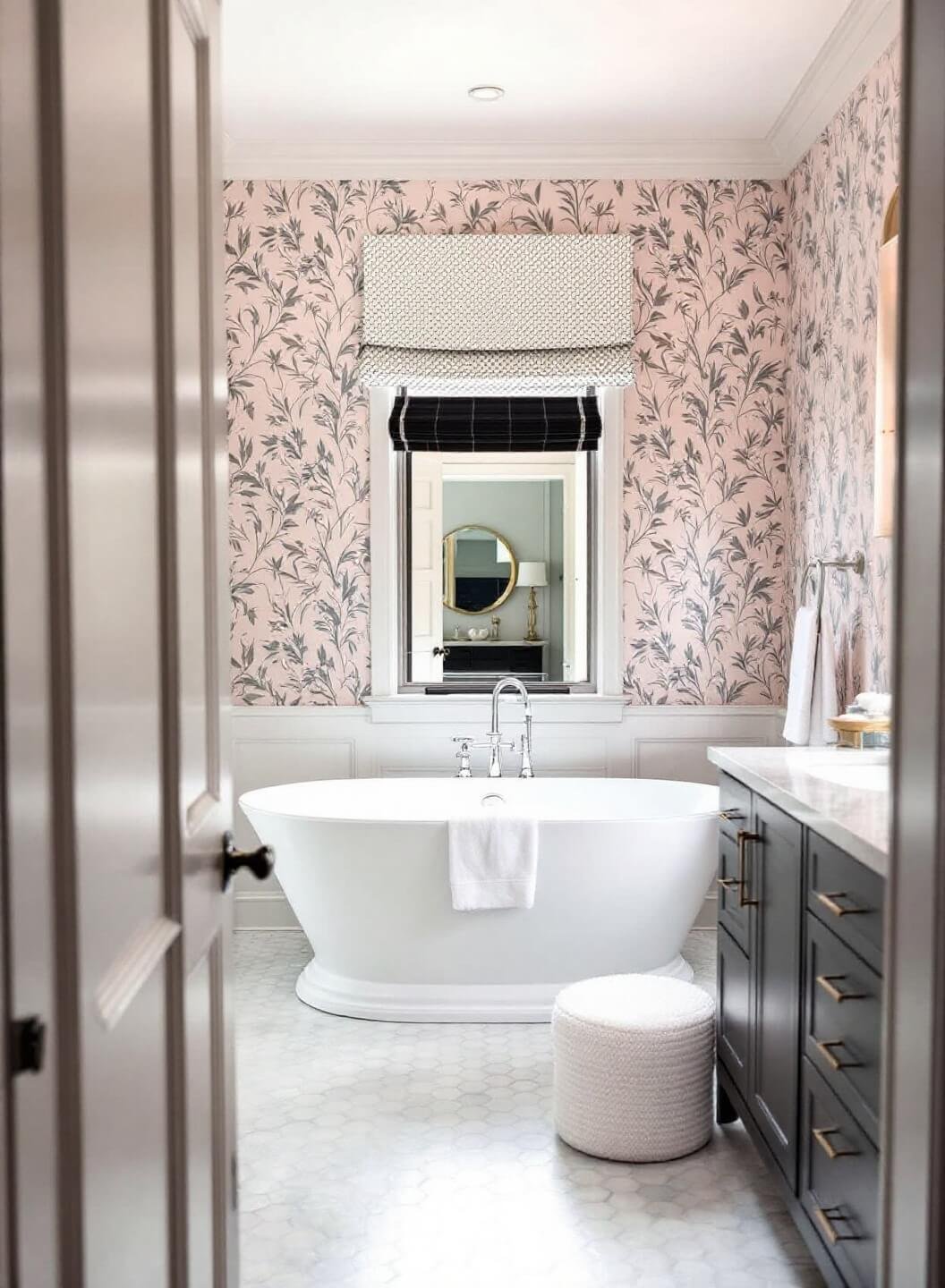
Remember: When in doubt, follow the “squint test” – if the patterns still look harmonious when you squint, you’re on the right track.
Final Thoughts
Pattern mixing is like jazz – once you know the basic rules, you can start improvising. Trust your instincts, start small, and don’t be afraid to break a rule or two once you’ve got the basics down.
Now go forth and pattern mix with confidence! Your perfectly balanced, visually interesting space awaits.